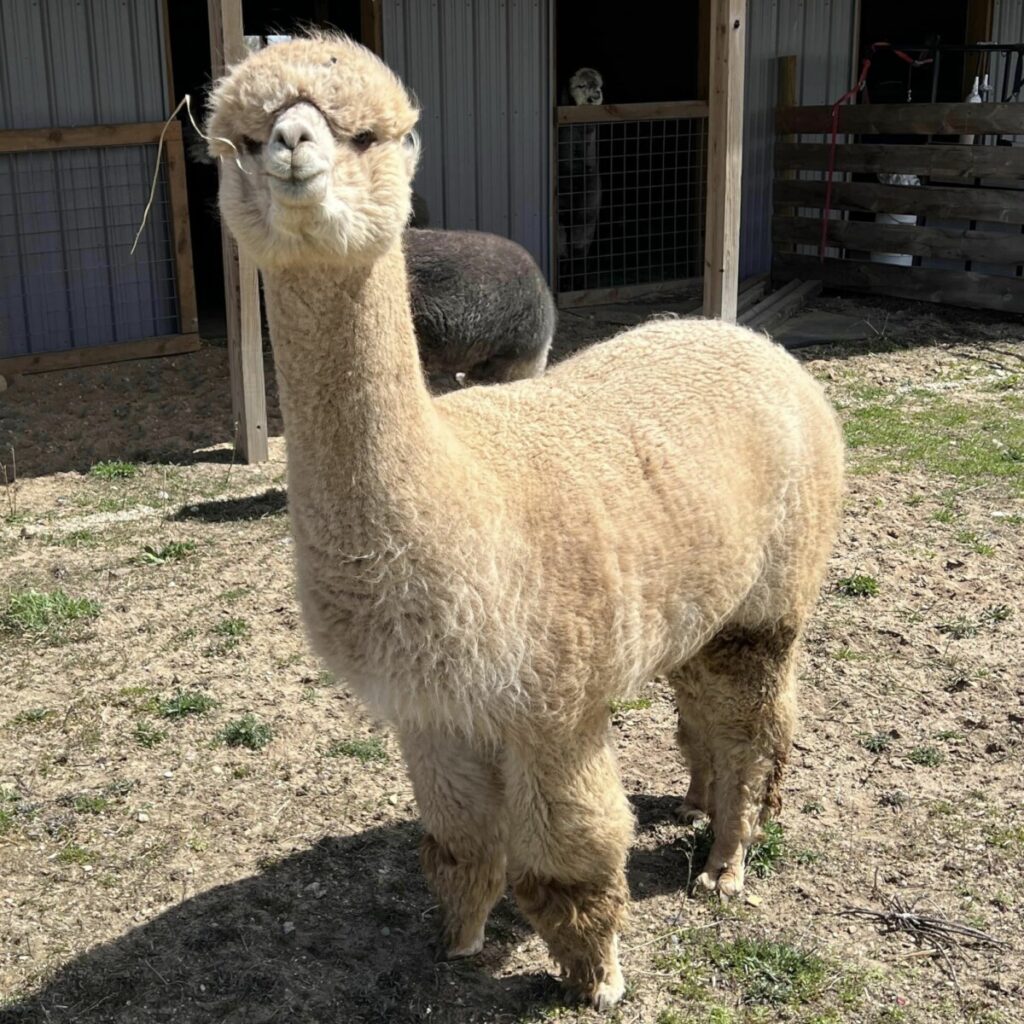
How Much Are Baby Alpacas For Sale? A Realistic 2024 Price Guide
So, you’ve fallen in love with those big, curious eyes and soft fleece, and you’re asking the essential question: how much are baby alpacas for sale? The short answer is, it’s more than just a purchase price. The cost of a baby alpaca, also known as a cria, can range from $500 to over $10,000, but the real number depends on a complex mix of factors.
This comprehensive guide will break down the true cost of buying a baby alpaca, including the initial purchase price, hidden startup expenses, and ongoing care. By the end, you’ll know exactly what to budget for your new furry friend.
Factors That Determine Baby Alpaca Price: Why Costs Vary So Much
You wouldn’t pay the same price for a used car as a new luxury vehicle, and the same logic applies to alpacas. The price tag is heavily influenced by several key factors.
- Breed (Huacaya vs. Suri): Huacaya alpacas, with their fluffy, crimpy fleece resembling a teddy bear, are more common and often slightly less expensive than the elegant Suri alpacas, whose fleece hangs in long, silky locks.
- Bloodlines and Pedigree: A baby alpaca from award-winning, champion bloodlines will command a premium price, sometimes reaching $10,000 or more. These alpacas are typically bought for high-end breeding and fleece production.
- Fiber Quality (Fineness, Density, and Color): The fleece is the primary product. Alpacas with exceptionally fine, dense, and uniform fleece are more valuable. Rare natural colors like true black, fawn, or grey can also increase the price.
- Age and Gender: Weanlings (around 4-6 months old) are commonly sold. Females (hembras) bred for future offspring are generally more expensive than males (machos). Pet-quality males are often the most affordable.
- Breeder Reputation and Location: Reputable breeders who provide health guarantees, vaccinations, and support typically charge more. Shipping costs can also add significantly if you’re not buying locally.
Breaking Down the Numbers: Average Baby Alpaca Prices
Let’s get into the specific numbers. Here’s a realistic look at what you can expect to pay for a cria in today’s market.
- Pet-Quality Alpacas: $500 – $1,500. These are typically males not suitable for breeding. They make wonderful companion animals but may have less desirable fleece.
- Fiber/Show-Quality Alpacas: $2,500 – $5,000. These animals have excellent fleece quality and conformation, suitable for showing or producing high-end fiber.
- Breeding-Quality Females: $3,000 – $7,000+. These are the investment animals, chosen for their superior genetics to improve a herd.
- Elite Herd Sire Prospects: $7,000 – $20,000+. These are the top-tier males with proven, exceptional bloodlines, purchased to become a foundation for a breeding program.
Beyond the Purchase Price: The Hidden Costs of Owning Alpacas
The initial cost is just the beginning. To avoid surprises, you must budget for these essential startup and ongoing expenses.
Initial Setup and One-Time Costs
- Fencing: $1,000 – $3,000+. Alpacas need safe, non-climb fencing to protect them from predators.
- Shelter: $500 – $5,000. A simple three-sided shelter is essential for protection from sun, wind, and rain.
- Feed and Water Supplies: $200 – $500. This includes hay feeders, grain bowls, and water troughs.
- Initial Veterinary Care: $150 – $300. This includes a pre-purchase exam, vaccinations, and routine health checks.
Annual and Ongoing Care Expenses
- Hay and Grain: $250 – $500 per alpaca, per year.
- Pasture Maintenance: Costs for fertilizer, seeding, etc.
- Shearing: $50 – $100 per alpaca, annually. This is a necessity for their health.
- Veterinary Care and Vaccinations: $100 – $200 per alpaca, per year for routine care. Emergency funds are crucial.
- Minerals and Supplements: $50 – $100 per alpaca, per year.
Where to Buy Baby Alpacas: Finding Reputable Breeders
Finding a healthy alpaca from a good breeder is critical. Avoid online marketplaces like Craigslist. Instead, look for:
- Alpaca Owner Associations: The Alpaca Owners Association (AOA) in the US and similar bodies in other countries have breeder directories.
- Local Farm Visits: Always visit the farm. Look for clean, healthy-looking animals and ask the breeder lots of questions.
- Ask for Documentation: A reputable breeder will provide a health record, pedigree papers, and a bill of sale.
Final Verdict: Is a Baby Alpaca a Good Investment?
So, how much are baby alpacas for sale? As you can see, the total investment is significant. For a single pet-quality alpaca, you should budget at least $3,000 – $5,000 for the first year when you include the animal, setup, and care. Remember, alpacas are herd animals and should never be kept alone, so you will need at least two or three.
If you’re prepared for the financial commitment and have the space and time, alpacas are incredibly rewarding animals. They are gentle, intelligent, and provide one of the most luxurious fibers in the world. Do your homework, connect with reputable breeders, and you’ll be on your way to a successful alpaca ownership experience.